Comparison Guide · Functional Gel
Builder in a Bottle vs Hard Gel: Which One Fits Salon Services Better?
Builder in a bottle vs hard gel is a practical salon buying question. Both can support stronger nail services, but they fit different workflows, technician habits and client expectations. The better choice depends on whether the salon is selling quick overlays, structured repairs or longer extension services.
Where Builder in a Bottle Fits
Builder in a bottle is usually attractive when salons want a smoother daily workflow. The bottle format feels familiar to technicians who already apply base gel and color gel, and it can be useful for natural nail overlays, light reinforcement and clean salon service menus.
This support diary points to one core category: Functional Gels. The goal is to help buyers understand service fit before choosing a builder, hardener or extension gel system.
Where Hard Gel Fits Better
Hard gel is usually selected when the salon needs more structure and filing control. It can be useful for stronger overlays, longer enhancements and clients who need a firmer structure, but it often requires more skill, more shaping and a clearer removal conversation.
- Choose bottle builder for faster overlay menus and repeat natural nail services.
- Choose harder builder systems when structure, apex control and extension work are the priority.
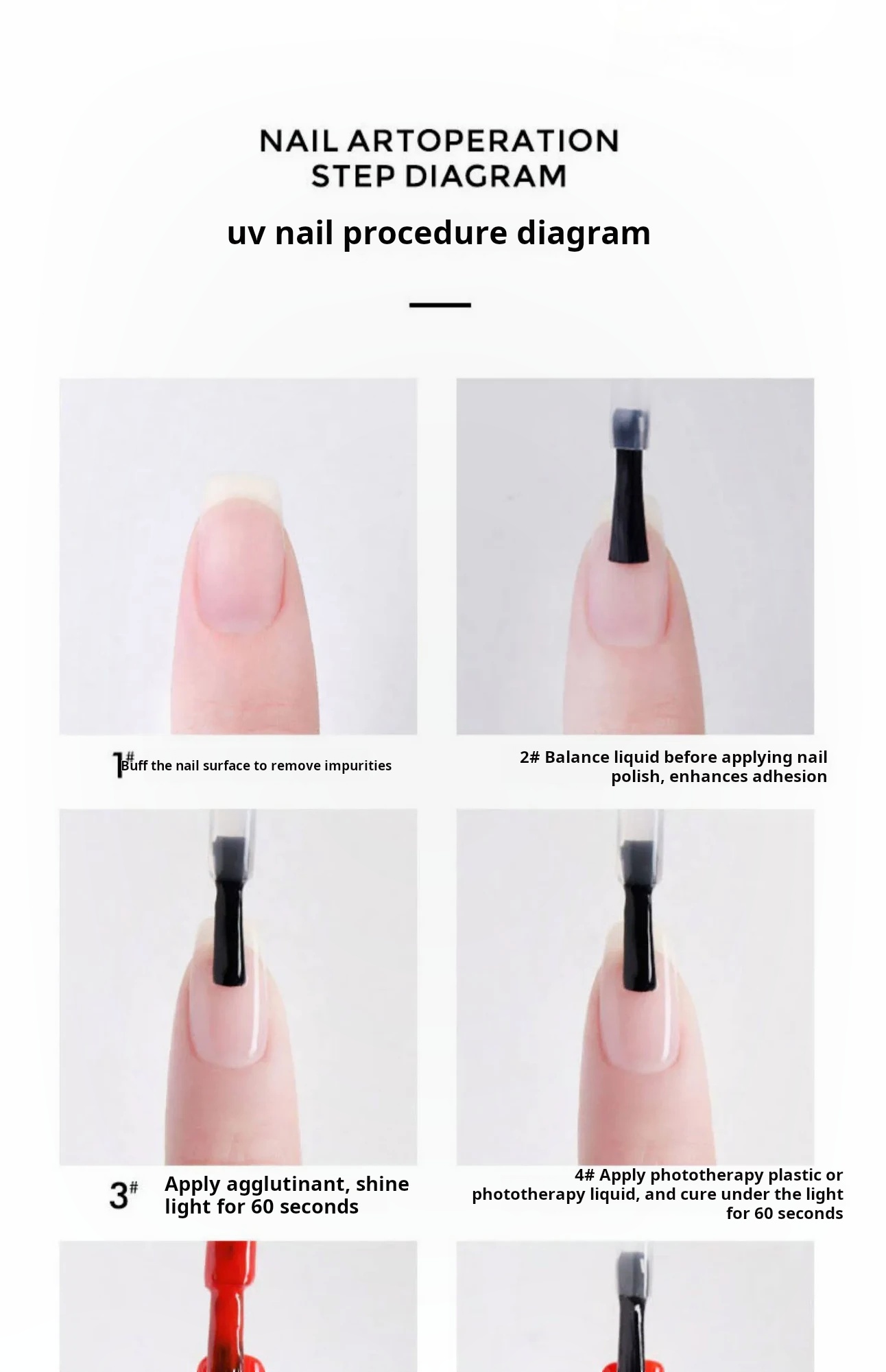
- Confirm curing, filing and removal steps before ordering a wholesale line.
- Test viscosity with real technicians before building private label sets.
Buying Questions for Salons
Before comparing prices, salons should ask how each gel behaves on the brush, how much leveling time it gives, whether it can hold an apex, and whether the line is designed for soak-off, file-off or a specific removal routine. These details affect service speed more than the product name alone.
Product names vary by supplier. Buyers should test actual samples, curing instructions and removal behavior before using builder in a bottle or hard gel wording in salon menus.
Related Products and Selection Guidance
For builder in a bottle vs hard gel, compare fast overlay requirements with the structure and extension-service needs. Explore Functional Gels for related products.