Jelly vs Gel Nail Polish: What Salons Should Know
Jelly vs gel nail polish is a common search because the two ideas describe different things. Jelly describes a sheer, translucent color effect. Gel nail polish describes a UV or LED cured nail coating system. For salons and wholesale buyers, the useful question is not which one replaces the other, but how jelly colors fit inside a professional gel polish collection.
What Is Jelly Nail Polish?
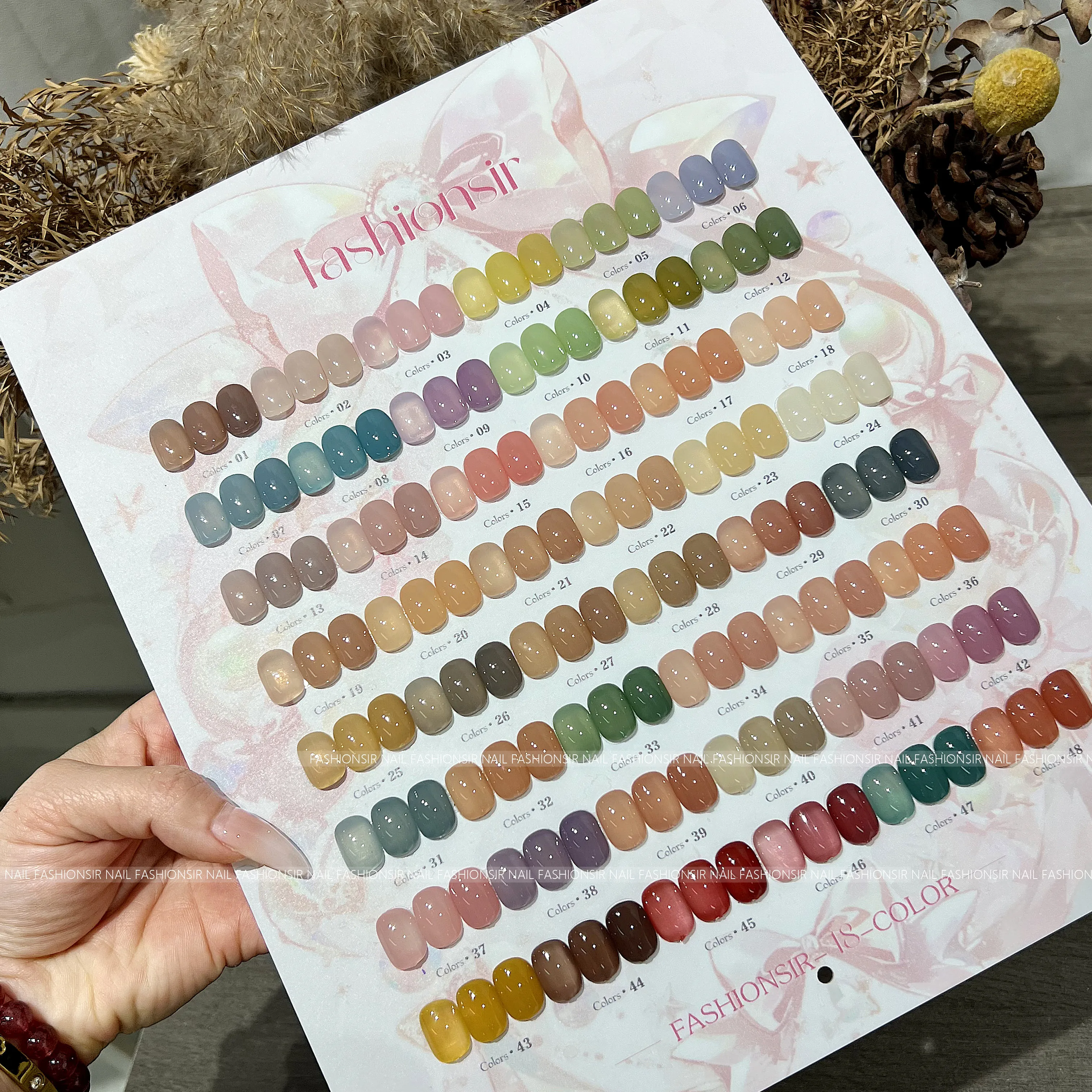
Jelly nail polish is usually chosen for its transparent, glass-like color effect. Instead of covering the nail with a fully opaque layer, jelly color lets part of the natural nail or base shade show through. This is why jelly shades often feel soft, watery, syrup-like or stained-glass inspired.
For salon color boards, jelly shades are useful when clients want color without a heavy painted look. Pink, nude, milky, berry and fruit tones can all be made softer when the formula is translucent and buildable.
What Is Gel Nail Polish?
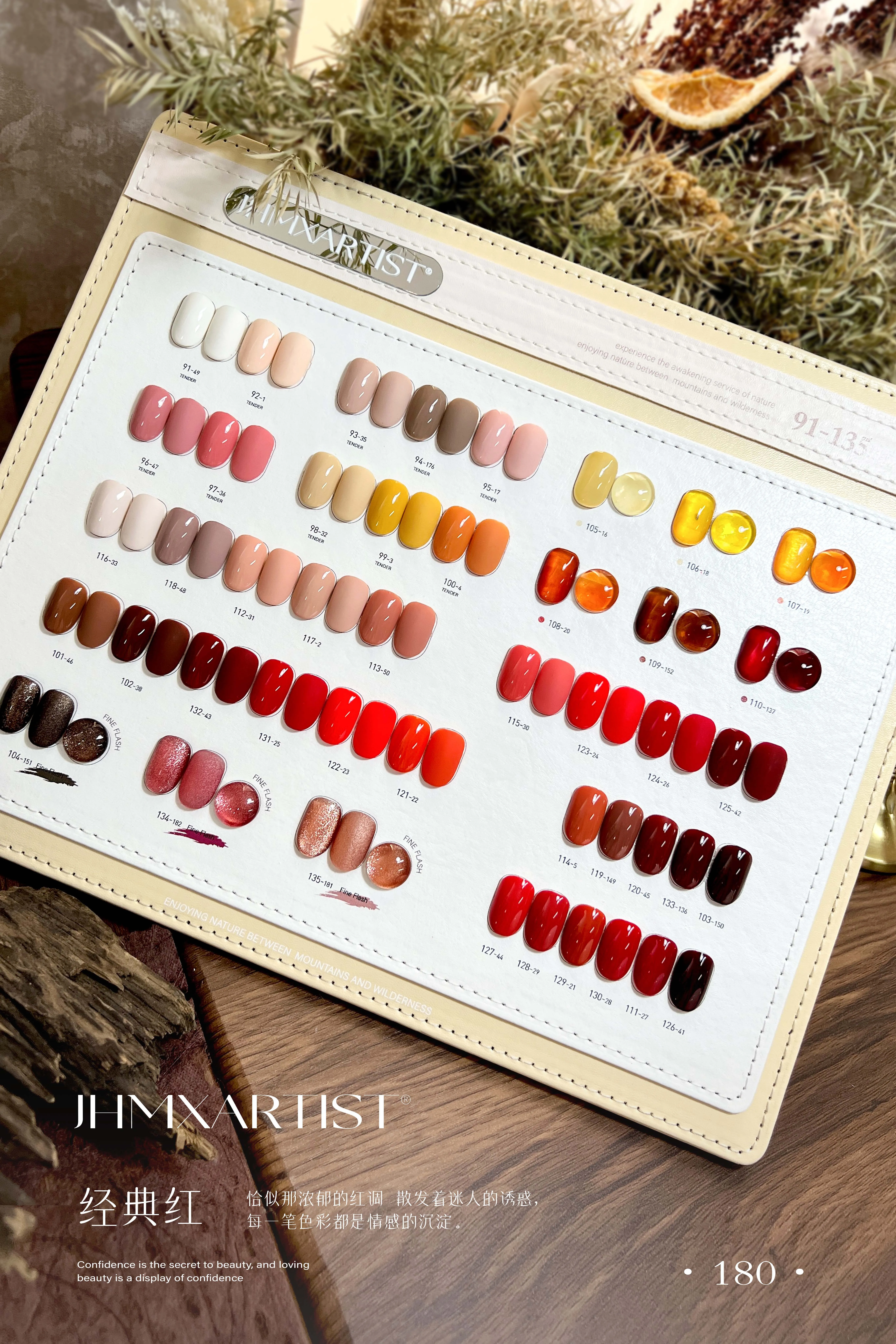
Gel nail polish is a cured coating system. It is applied like polish but needs UV or LED light to cure, giving salons a glossy and longer-wearing finish than regular air-dry polish. A gel polish collection can include opaque colors, sheer colors, jelly colors, cat eye finishes, glitter, milky shades and functional base or top systems.
That means jelly can be one finish inside nail gel polish. A salon may stock jelly gel polish for translucent color, classic gel polish for full coverage, and cat eye gel polish for magnetic effects.
Jelly vs Gel Nail Polish: The Real Difference
The simplest way to explain the difference is this: jelly is a look, while gel is a curing system. A jelly product can be a regular polish, a gel polish, or another type of color product depending on the formula. Gel polish is defined by its curing method and professional wear performance.
“For sourcing, treat jelly as a finish category and gel polish as the product system that can carry that finish.”
GELNAILMART Salon Guide
This matters for wholesale planning. If a buyer asks for jelly vs gel nail polish, they may actually need jelly gel polish: translucent color in a UV/LED cured gel formula that fits salon workflow.
When Should Salons Choose Jelly Gel Polish?
Jelly gel polish works well for clients who like soft color, natural nail visibility, fruit-inspired shades, sheer pinks, milky color and glossy Korean or Japanese style manicures. It is also useful for short nails because the color does not feel visually heavy.
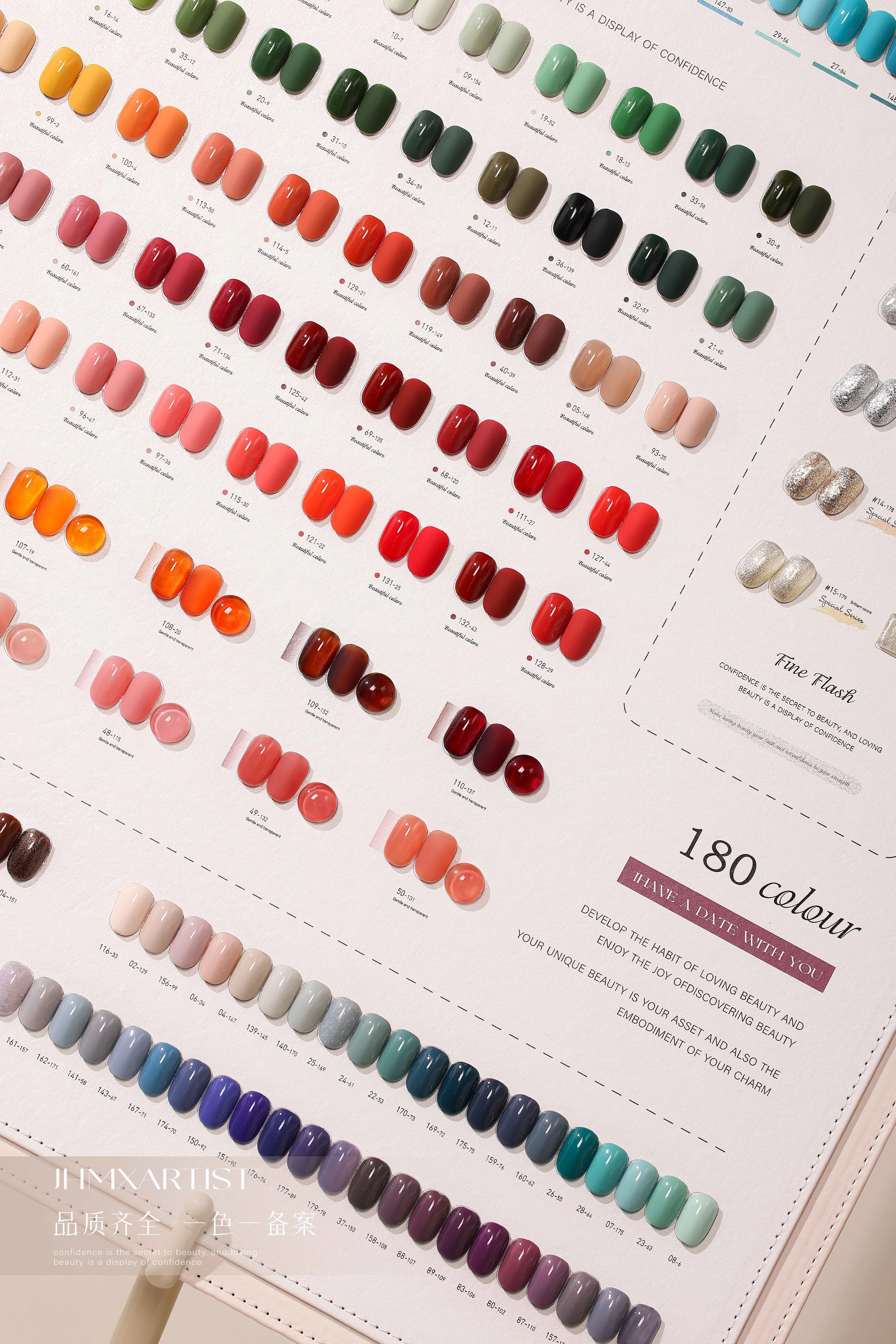
For wholesale color planning, jelly shades can support several boards: seasonal fruit colors, translucent nude and pink ranges, soft bridal sets, summer syrup colors and layered color effects. A large range such as Color Pencil Diary Jelly Gel 180 Colors can give salons more flexibility than a small sheer-only palette.
When Should Salons Choose Opaque Gel Polish?
Opaque gel polish is better when clients want full coverage, strong color identity, nail art base colors, French tips, bright seasonal color or a clean solid manicure. It is easier to show exact shade differences on a color board because the final result is less affected by the natural nail underneath.
Many salons need both: jelly gel polish for soft and translucent styling, and classic gel polish for color certainty. Buyers can organize the menu by finish so clients understand the choice quickly: sheer jelly, full color, milky, shimmer, glitter and magnetic.
Wholesale Buying Notes
For a supplier or private label project, define the finish before choosing the color count. A jelly gel polish line should mention transparency, buildable color, glossy finish and UV/LED curing. A classic gel polish line should focus on coverage, shade accuracy, wear and salon color-board clarity.
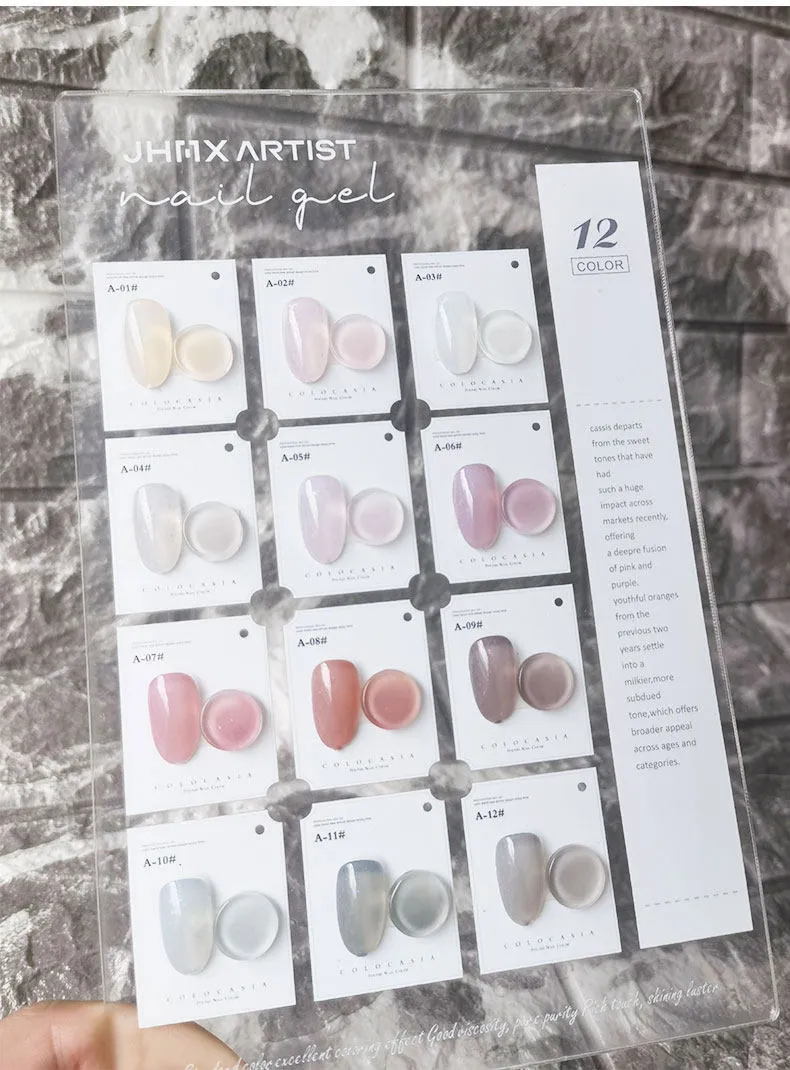
Related pages for sourcing and menu planning include Artist Opal Jelly Gel 12 Colors, nail gel polish, and top coat for finish control.
Planning a jelly gel polish or color gel collection for salon buyers?