NAIL ART TOOL DIARY
Liner Brush for French Tips
A liner brush for French tips gives nail artists more control over the small decisions that make a smile line look intentional. The brush is not there to add more product. It helps place a light, even amount of gel with a pull that stays clean from one side of the nail to the other.
Why a Liner Brush Helps With French Tips
French tips depend on balance. A brush that is too wide can overload the edge, while a short or uneven brush can interrupt the curve. A liner brush lets the artist guide the gel with a lower angle and a more continuous movement, especially on narrow tips and micro French designs.
This diary supports the nail art liner brush page without repeating its sourcing content. The product page covers the tool range; this note focuses on how a liner brush fits into French tip work.
Loading Gel for a Cleaner Smile Line
Load less gel than a full color application. Wipe one side of the brush before starting, then place the first point of the French tip where the curve needs control. Connect small pulls rather than pushing a heavy line across the nail in one pass.
- Keep the brush angle low so the bristles glide across the nail surface.
- Test line weight before moving from one hand to the other.
- Use a steady gel consistency that does not flood into the sidewalls.
French Tips, Micro Lines and Salon Detail Work
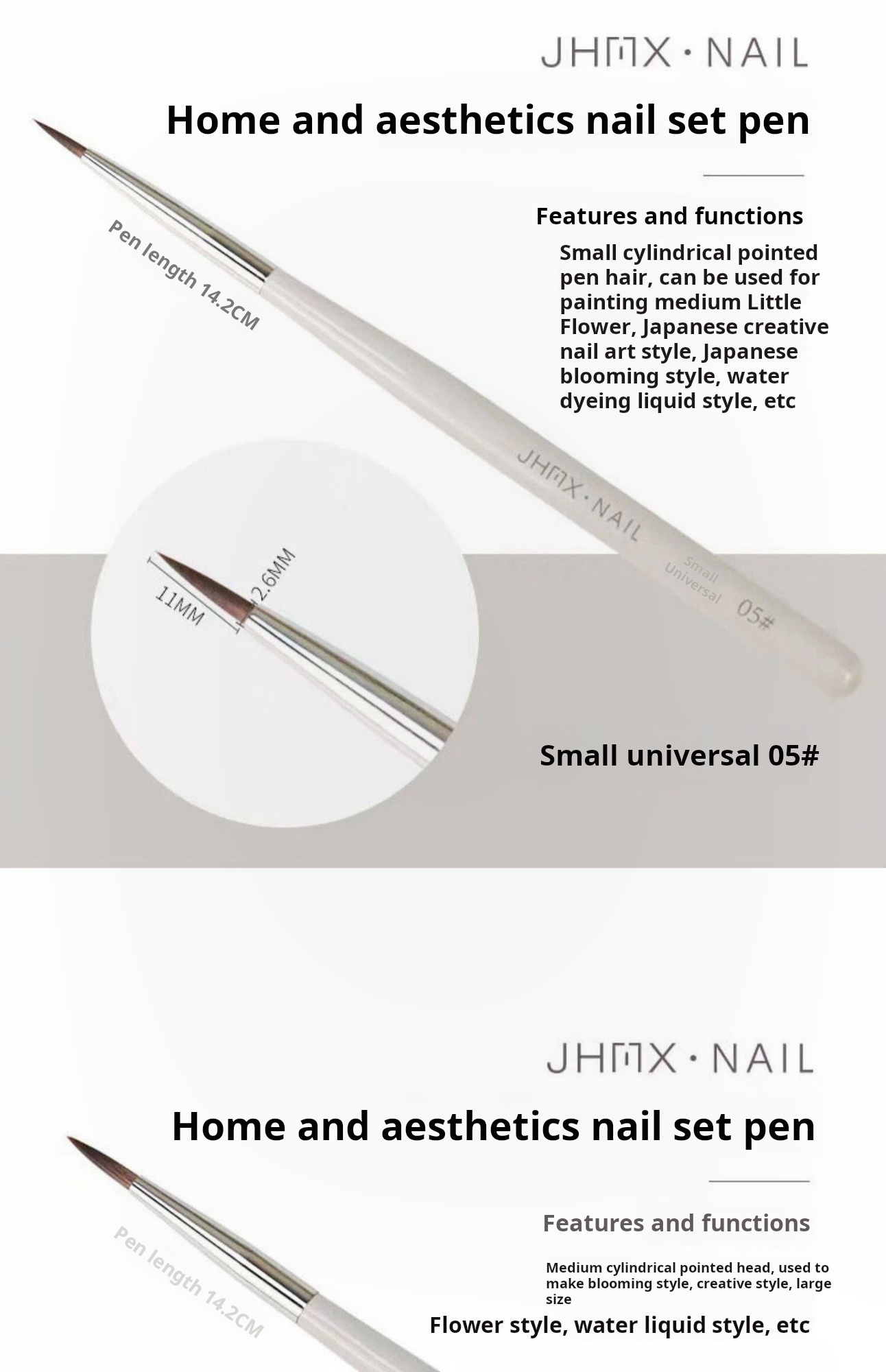
The same liner brush can handle a classic French edge, a narrow micro French line or a small accent near the sidewall. Salons often keep a few liner lengths available so each technician can match the brush to the design scale and their natural hand pressure.
This journal targets liner brush for French tips. It keeps the search intent on controlled French tip work rather than duplicating the broader nail art brush category.
How It Fits a Nail Art Tool Range
For distributors, liner brushes sit naturally beside nail art brushes and solid color gel polish. The tool helps buyers turn color products into detailed salon services rather than treating every design as a full-brush application.